

30 May 2025
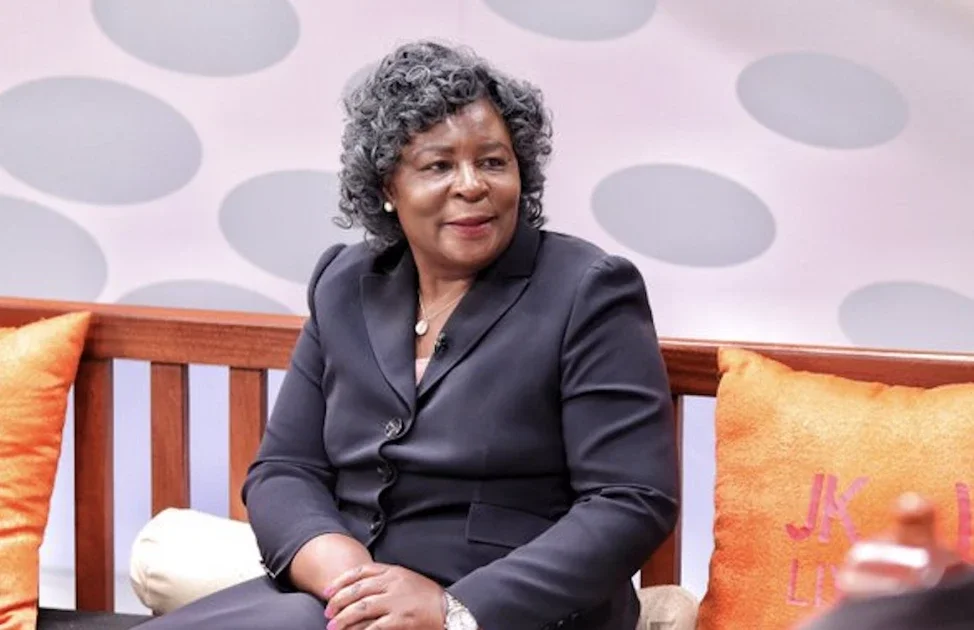
Kenya’s battle against Gender-Based Violence (GBV), including femicide, has gained fresh momentum following the successful completion of a nationwide public participation exercise conducted across all 47 counties. The government, through the Presidential Technical Working Group on GBV and Femicide, wrapped up the engagement on Wednesday, May 28, marking a significant milestone in efforts to curb the deeply entrenched menace.
The initiative, established by President William Ruto in January, sought to gather voices from every corner of the country, with the goal of shaping a more inclusive, community-responsive strategy. Originally given a 90-day mandate, the working group’s timeline was extended, with the final report now expected by June 8.
Giving Communities a Voice
Chairperson Nancy Baraza, speaking during a forum in Kibra, Nairobi County, emphasized the importance of public involvement in combating GBV and femicide.
“The government recognises public participation plays a critical role in involving communities directly in prevention, response, and advocacy efforts,” she stated.
Community leaders, survivors, and gender rights organisations all took part in the process, offering insights and sharing lived experiences. Their feedback has provided valuable context that will inform policy and legal frameworks.
Baraza underlined that tackling GBV cannot rely solely on top-down interventions.
“We have gone around the country and we have received massive information regarding GBV, including femicide,” she said.
“Survivors, women’s organisations, and community groups brought unique insights that help tailor solutions to local realities.”
Uncovering a Culture of Silence
The exercise uncovered worrying trends — not just in the frequency of GBV cases, but also in the surrounding culture of silence and stigma. According to Baraza, violence is happening in households, communities, and institutions, yet goes largely unreported due to fear of ostracization.
“Despite its prevalence, there’s an alarming silence surrounding GBV in communities, institutions, and even within families,” she noted.
“People who dare come out to report these cases are ostracised.”
Among the most distressing revelations were rampant cases of child defilement and sodomy, involving boys as young as three and four. These cases often occur in what should be safe spaces the home and frequently involve perpetrators known to the victims.
The Road Ahead
As the country awaits the final report, due June 8, there is a growing call for action not just from policymakers, but from the very communities affected by GBV. The report is expected to detail concrete recommendations, legal reforms, and community-based strategies that will define Kenya’s next chapter in its fight against GBV and femicide.
This unprecedented level of civic engagement has set the stage for a more responsive and locally informed approach to ending gender-based violence. However, for change to truly take root, continuous public involvement, increased survivor support, and cultural transformation will be essential.