

11 June 2025
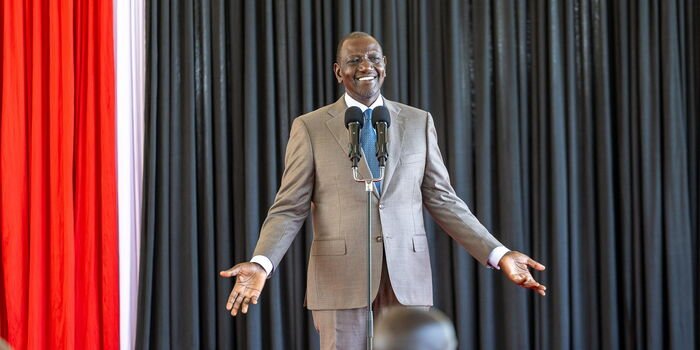
On June 10, 2025, President William Ruto formally gazetted the appointment of a new Independent Electoral and Boundaries Commission (IEBC) team, including Chairperson Erastus Edung Ethekon and six commissioners. While the move was presented as a critical step in preparing for the 2027 general elections, it came in direct contradiction to standing High Court orders barring such action. The decision has stirred controversy, raising significant legal, political, and constitutional concerns.
1. The Legal Background
The controversy began when a civil society group filed a petition in May 2025, challenging the nomination process of the IEBC commissioners. The petition cited constitutional violations, particularly under Articles 10 (National Values), 232 (Values and Principles of Public Service), and 250 (Appointments to Constitutional Commissions).
In response, the High Court issued conservatory orders halting the vetting and appointment of the nominees. Although vetting was later permitted, the court maintained its order barring their gazettement and swearing-in, pending the petition’s full hearing.
2. Ruto's Move
Despite the court’s directive, President Ruto proceeded to publish a gazette notice on June 10, appointing:
- Erastus Edung Ethekon as IEBC Chair
- Ann Njeri Nderitu
- Moses Alutalala Mukhwana
- Mary Karen Sorobit
- Hassan Noor Hassan
- Francis Odhiambo Aduol
- Fahima Araphat Abdallah
All appointees are set to serve six-year terms. The President cited Article 250(2) of the Constitution and the IEBC Act as the basis for his decision.
3. Reactions from Legal Experts and Civil Society
Legal experts quickly condemned the move. Many see it as a serious violation of judicial independence and a potential breach of the constitution.
Civil society groups, including those behind the initial petition, have announced plans to pursue further legal action. Some have called for the appointments to be nullified and for the President to be held accountable for contempt of court.
4. Implications for the 2027 Elections
With the IEBC now led by individuals whose appointments are under legal dispute, the body’s credibility may be compromised. The perception of executive interference could fuel public distrust in the electoral process—particularly in a country still grappling with the aftermath of past disputed elections.
Analysts warn that this power struggle could have far-reaching consequences for Kenya’s democracy, including voter apathy and institutional instability.
Conclusion: A Test for the Constitution
President Ruto’s decision places Kenya at a constitutional crossroads. As the courts deliberate on the legality of the appointments, the outcome will signal whether the rule of law remains intact or whether executive actions can override judicial authority. With the 2027 elections approaching, the stakes—for democracy, legitimacy, and public trust—could not be higher.